

Every winter, lens wearers face the same dilemma: “Why does winter make my lenses so uncomfortable?” Cold wind outside, heater wind inside—these two culprits are responsible for winter dry eye syndrome and lens discomfort.
겨울이 되면 렌즈 착용자들은 매년 같은 고민을 한다. “왜 겨울만 되면 렌즈가 이렇게 뻑뻑할까?” 밖은 찬바람, 실내는 히터 바람. 이 두 가지가 겨울철 안구건조증과 렌즈 불편감을 만드는 주범이다.
Why Winter Makes Lenses Feel Uncomfortable
In winter, cold outdoor wind and warm indoor heater air simultaneously attack the eyes. The cold wind first accelerates tear evaporation. Beyond the low temperature itself inhibiting tear secretion, the wind directly dries the eye surface.
The real problem is indoors. Heaters and heating devices rapidly dry indoor air while creating a temperature gap between indoors and outside. This temperature change irritates the eyes, causing additional dryness. Up to 77% of contact lens wearers experience discomfort in winter.
The lenses themselves are affected. In dry environments, moisture evaporates quickly from lenses, and tear films don’t form properly. This increases friction between lens and cornea, creating microscopic scratches, foreign-body sensation, and redness.
겨울철 렌즈가 뻑뻑해지는 이유
겨울철에는 외부의 찬바람과 실내 난방기구의 뜨거운 바람이 동시에 눈을 공격한다. 먼저 밖의 찬바람은 눈물을 빨리 증발시킨다. 차가운 온도 자체가 눈물 분비를 저해하는 데다, 바람이 직접 눈 표면을 건조하게 만드는 것이다.
더 문제인 건 실내다. 히터, 온풍기 등의 난방기구는 실내 공기를 급속도로 건조하게 만들고, 실내와 외부의 온도 차이까지 커진다. 이 온도 변화에 눈이 자극을 받으면서 추가로 건조해진다. 콘택트렌즈 착용자 중 건조감을 느끼는 비율은 최대 77%에 달할 정도로 심각하다.
렌즈 자체도 영향을 받는다. 건조한 환경에서는 렌즈에 수분이 빨리 증발하고, 눈물막이 제대로 형성되지 않는다. 결국 렌즈와 각막 사이의 마찰이 증가하면서 눈에 미세한 상처가 생기고, 이물감과 충혈이 발생한다.
Should Winter Lens-Wearing Time Be Reduced?
Yes, absolutely. While 8 hours is typically safe year-round, wearing lenses 4-6 hours or less in winter is recommended during dry periods. If dryness is severe, alternating with glasses is best for eye health.
For those who must wear lenses long-term due to work, removing and rewetting lenses during the day using cushion drops helps significantly. This removes debris from the lens surface and greatly improves comfort. The absolute no-go: sleeping in lenses. This causes oxygen deprivation, risking corneal edema.
겨울철 렌즈 착용 시간, 줄여야 할까?
네, 반드시 줄여야 합니다. 평소에는 8시간 정도 착용하는 게 안전하지만, 겨울철 건조가 심할 때는 4~6시간 이내 착용을 권장한다. 특히 건조함이 심하다면 안경을 번갈아 착용하는 것이 눈 건강을 위해서는 가장 좋다.
직업상 렌즈를 장시간 착용해야 한다면, 중간에 렌즈를 벗어서 세척하고 쿠션 드롭(렌즈용 보습제)을 사용하는 방법이 있다. 이렇게 하면 렌즈 표면의 이물질이 제거되고 착용감이 훨씬 개선된다. 절대 금지사항은 렌즈를 낀 채로 자는 것이다. 수면 중 눈에 산소가 부족해져 각막부종의 위험이 있다.
Winter Eye Care Through Daily Habits
1. Indoor humidity management is key
Maintaining indoor humidity at 40-60% (ideally 50-60%) significantly reduces dryness. When using a humidifier, keep it 1-2 meters away, replace water daily, and clean every other day. Ventilate for 10-20 minutes after using the humidifier.
생활 습관으로 시작하는 겨울 눈 관리
1. 실내 습도 관리가 핵심이다
실내 습도를 **40~60% 정도(이상적으로는 50~60%)**로 유지하면 건조증을 크게 완화할 수 있다. 가습기를 사용할 때는 최소 1~2미터 거리에 둬야 하고, 매일 깨끗한 수돗물로 교체하며 2일에 한 번은 청소해야 한다. 가습기 사용 후 10~20분간 환기도 필수다.
2. Blinking and rest
For extended screen time, position monitors slightly below eye level. This reduces the eye area exposed to air, minimizing moisture evaporation. The ’20-20-20 rule’ also works: every 20 minutes, look 20 feet away (approximately 6 meters) for 20 seconds. Conscious blinking and occasional eyelid massage increase tear production.
2. 눈 깜빡임과 휴식
장시간 모니터를 봐야 한다면 모니터 위치를 시선보다 약간 아래로 둔다. 이렇게 하면 눈을 뜨는 면적이 작아져 안구의 수분이 공기에 노출되는 범위가 줄어든다. ’20-20-20 규칙’도 효과적이다. 20분마다 20초 동안 약 6미터 밖(또는 멀리)을 본다. 동시에 의식적으로 눈을 자주 깜빡이고, 때때로 눈을 감고 눈꺼풀을 마사지하면 눈물 분비가 증가한다.
3. Artificial tears—use correctly
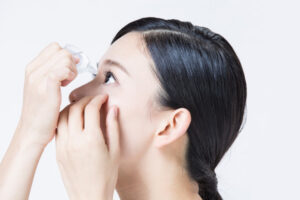
Limit preserved artificial tears to 6 times daily. Single-use artificial tears should be used within 12 hours of opening. Apply when needed, not excessively.
3. 인공눈물, 올바르게 사용하자
보존제가 첨가된 인공눈물은 하루 6회 이내로 제한하는 것이 좋다. 일회용 인공눈물의 경우 개봉 후 12시간 이내 사용을 권장한다. 건조감이 심할 때 인공눈물을 점안하되, 무조건 많이 넣는 것이 아니라 필요할 때마다 적절히 사용해야 한다.
4. Watch lens solution temperature
Store lens solution in a warm (but not hot!) place, and warm your hands before handling lenses for comfort. Use lukewarm rather than cold water when cleaning lenses.
4. 렌즈 관리 용액 온도에 신경 쓰자
겨울철에는 렌즈 보관용액을 따뜻한 곳(단, 뜨겁지 않게!)에 보관하고, 렌즈 장착 전 손을 따뜻하게 데운 후 관리하면 착용감이 더 편안해진다. 렌즈를 세척할 때도 찬물보다는 미온수를 사용하는 것이 좋다.
5. Control indoor temperature
Maintaining indoor temperature around 18°C (64°F) helps prevent dry eye. Excessively high temperatures make air even drier.
5. 실내 온도 조절
실내 온도를 18도 정도로 유지하면 건조증 예방에 도움이 된다. 너무 높은 온도는 공기를 더욱 건조하게 만드니 조절이 필요하다.
Winter Lens Material Selection Matters
The key to winter lens management is ultimately choosing high oxygen-transmissible materials like silicone hydrogel. These materials maintain moisture layers longer on the lens surface and supply sufficient oxygen to the cornea, making a noticeable difference in dry conditions.
Young One Plus’s advanced lens materials are developed using such technology—especially worth considering for winter wear.
겨울철 렌즈 재질 선택도 중요하다
겨울철 렌즈 관리의 핵심은 결국 실리콘 하이드로겔 같은 산소투과율이 높은 렌즈 재질을 선택하는 것이다. 이런 소재는 렌즈 표면에 수분층을 오래 유지해주고, 각막에 산소를 충분히 공급한다. 건조한 환경에서도 착용감 차이가 확연히 난다.
영원플러스의 고기능성 렌즈 재질들도 이러한 과학 기술로 개발되었다. 겨울철 특히 고려할 만하다.
When to Switch to Glasses
Frequent eye fatigue, difficulty opening eyes due to dryness, discomfort when eyes are closed, stinging, and redness signal dry eye syndrome. When these appear, switch to glasses rather than forcing lens wear. In severe cases, consult healthcare professionals about artificial tears or eye medications.
Winter is the most challenging season for lens wearers, but proper care and habit adjustments make it manageable. Attentive care preserves eye health. This winter, bid farewell to uncomfortable eyes and maintain moisture.
이런 증상이 나타나면 안경으로 전환하자
눈이 자주 피로하고, 뜨기 어려울 정도로 건조함이 느껴진다면, 눈을 감으면 편하고 뜨기 힘들다면, 눈이 시리고 충혈된다면 이미 안구건조증 신호다. 이때는 무리해서 렌즈를 끼지 말고 안경으로 전환하는 것이 현명하다. 심한 경우 의료진과 상담해 인공 점안액이나 안약 치료를 받는 것도 고려해야 한다.
겨울은 렌즈 착용자에게 가장 힘든 계절이지만, 올바른 관리와 습관 개선으로 충분히 극복할 수 있다. 작은 신경 쓰임이 모여 눈 건강을 지킨다. 이번 겨울, 뻑뻑한 눈과 작별하고 촉촉한 눈 상태를 유지해 보자.
