

The Shockwave Iran’s War Has Sent Through Korea’s Colored Lens Industry
이란 전쟁이 한국 컬러렌즈 업계에 던진 충격파
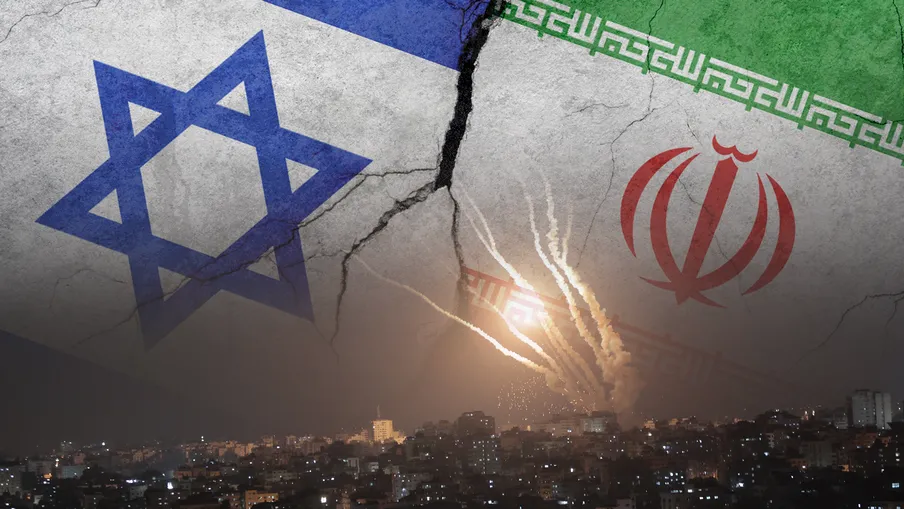
On February 28, 2026, a joint Israeli-American airstrike struck Tehran. Iran’s Revolutionary Guard responded immediately, launching missiles and drones at 27 U.S. military bases across the Middle East and key Israeli cities — and declaring a blockade of the Strait of Hormuz. Before the smoke had cleared from the news, the phone of a colored lens export manager at a Seoul office in Mapo was already ringing off the hook. Emergency calls from Middle Eastern buyers had begun pouring in.
This is not simply a geopolitical conflict. It is the moment one of K-lens’s largest export markets became a war zone.
2026년 2월 28일, 이스라엘과 미국의 연합 공습이 이란 테헤란을 강타했다. 이란 혁명수비대는 즉각 중동 전역의 미군 기지 27곳과 이스라엘 주요 도시에 미사일과 드론을 발사하며 보복에 나섰고, 호르무즈 해협 봉쇄를 선언했다. 뉴스 속 폭발음이 채 가시기도 전에, 서울 마포구 한 컬러렌즈 수출 담당자의 전화기는 불이 났다. 중동 바이어들의 긴급 연락이 쏟아지기 시작한 것이다.
이것은 단순한 지정학적 분쟁이 아니다. K-렌즈 최대 수출 시장 중 하나가 전쟁터가 된 순간이다.
K-Lenses Had Dominated the Middle East
For Korea’s colored lens industry, the Middle East is far more than just another overseas market. In Saudi Arabia alone, Korea recorded a No. 1 import market share of 45.65% for contact lenses as of 2022, exporting approximately $12.6 million USD worth of product. In Kuwait, Korean contact lenses account for over 50% of total imports, and Korean brand Bella holds the No. 1 market share across all GCC (Gulf Cooperation Council) countries in the colored lens segment.
Korea’s domestic colored lens market has itself been on a steep growth trajectory. Valued at approximately $338.6 million USD in 2023, it was projected to reach $765.5 million by 2033, growing at a CAGR of 8.5%. Middle East exports were one of the key engines powering that growth.
K-렌즈, 중동을 장악하고 있었다
한국 컬러렌즈 업계에 있어 중동은 단순한 해외 시장이 아니다. 사우디아라비아 한 나라만 보더라도, 2022년 기준 한국은 사우디 콘택트렌즈 수입 시장 점유율 1위(45.65%)를 기록하며 1260만 달러(약 168억 원) 규모를 수출했다. 쿠웨이트에서는 한국산 콘택트렌즈가 전체 수입의 50% 이상을 차지하며, 컬러렌즈 부문에서는 한국 브랜드 Bella가 GCC(걸프협력회의) 전 지역 점유율 1위를 달리고 있다.
한국 컬러렌즈 시장 자체도 고성장 중이다. 2023년 3억 3860만 달러 규모였던 한국 컬러렌즈 시장은 2033년까지 연평균 8.5% 성장해 7억 6550만 달러에 달할 것으로 전망됐다. 이 성장의 핵심 동력 중 하나가 바로 중동 수출이었다.
The War Has Closed Three Doors
The impact of this conflict on the K-lens industry runs through three distinct channels.
First, the Strait of Hormuz blockade — the heart of logistics has stopped.
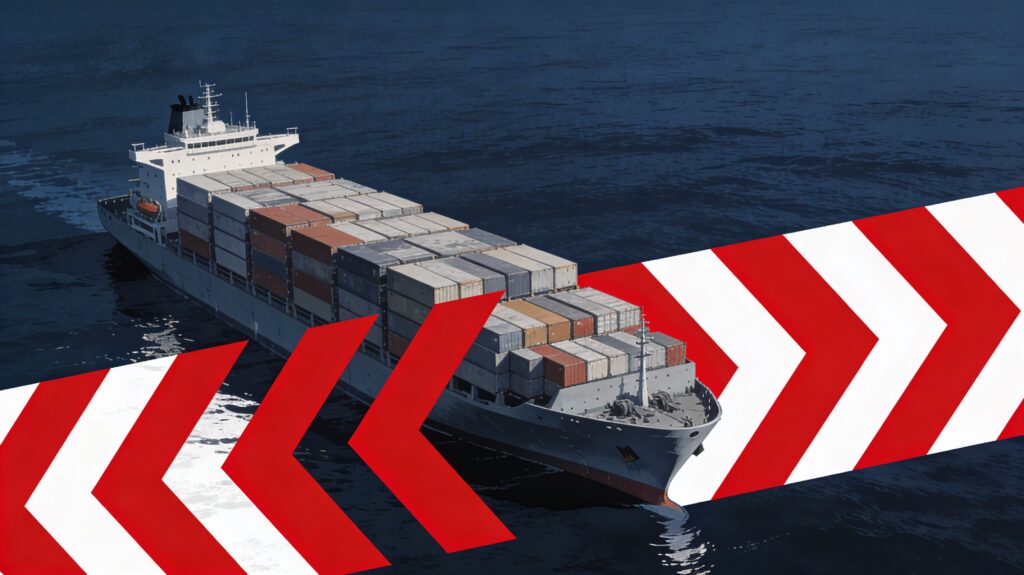
Iran’s immediate declaration of a Hormuz blockade severs a critical artery of maritime trade for the entire Middle East. A significant portion of container shipping routes from Korea to the Middle East passes through this strait. The moment it becomes blocked or unstable, every existing export contract relying on that route becomes unenforceable. The only viable alternative is the route around Africa’s Cape of Good Hope — adding two to three weeks to transit times and driving up logistics costs by 30 to 50 percent or more.
Second, local distribution networks have collapsed — Middle Eastern buyers have gone silent.
With Iranian strikes hitting U.S. military bases in the UAE, Qatar, Kuwait, Bahrain, and Jordan, local commercial activity across the region has contracted sharply. Regional distribution buyers have halted inventory procurement and suspended new orders. Korean brands including Bella — which held the GCC’s No. 1 colored lens position — cannot escape this direct hit.
Third, payment and financial risk — the money has stopped flowing too.
Trade with conflict zones typically triggers risk-aversion responses from financial institutions, leading to payment delays and transaction freezes. When export payment collection becomes uncertain, the cash flow of small and mid-sized lens manufacturers takes an immediate and direct blow.
전쟁이 막아버린 세 가지 길
이번 중동 분쟁이 K-렌즈 업계에 미치는 타격은 크게 세 가지 경로로 분석된다.
첫째, 호르무즈 해협 봉쇄 — 물류의 심장이 멈췄다.
이란이 즉각 선언한 호르무즈 해협 봉쇄는 중동 전체 해상 물류의 핵심 동맥을 끊는 조치다. 한국에서 중동으로 향하는 컨테이너 항로의 상당수가 이 해협을 경유한다. 해협이 봉쇄되거나 불안정해지는 순간, 기존 루트로 납품하던 모든 수출 계약은 이행 불가 상태에 빠진다. 대체 항로는 아프리카 희망봉을 우회하는 루트뿐인데, 이는 운송 기간을 2~3주 연장하고 물류비를 30~50% 이상 끌어올린다.
둘째, 현지 유통망 마비 — 중동 바이어들이 사라졌다.
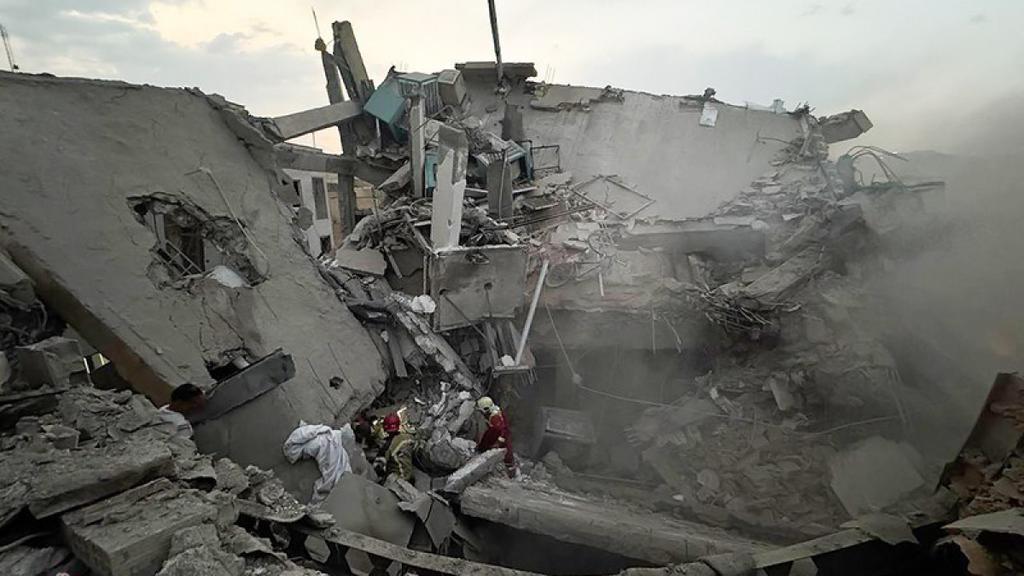
UAE, 카타르, 쿠웨이트, 바레인, 요르단 등 중동 내 미군 기지가 이란의 공격을 받으며 현지 상권 자체가 위축되고 있다. 현지 유통 바이어들은 재고 확보를 중단하고 신규 발주를 보류하는 상황이다. GCC 지역에서 K-렌즈 1위 점유율을 지키던 Bella를 포함한 한국 브랜드들 모두 이 직격탄을 피하기 어렵다.
셋째, 결제 및 금융 리스크 — 돈도 막혔다.
전쟁 지역과의 외화 거래는 금융기관의 리스크 회피로 인해 결제 지연 및 거래 중단으로 이어지는 경우가 많다. 수출 대금 회수가 불투명해지면 중소 렌즈 제조사들의 현금 흐름에 직접적인 타격이 가해진다.
The Real Damage to the Industry
With Korea’s colored lens market estimated at approximately $3.45 billion USD as of 2024, industry insiders estimate that Middle East exports account for 10 to 15 percent of total volume. Even by conservative calculation, the potential export disruption runs into the hundreds of billions of Korean won.
Small and mid-sized ODM manufacturers are expected to absorb the heaviest impact. Larger brands can cushion partial losses through globally diversified distribution networks, but smaller manufacturers with high buyer concentration in the Middle East face a double crisis of inventory buildup and plummeting revenue. Share prices of major listed companies including Interojo have already shown sensitivity to the escalating conflict.
업계가 받는 실질 충격
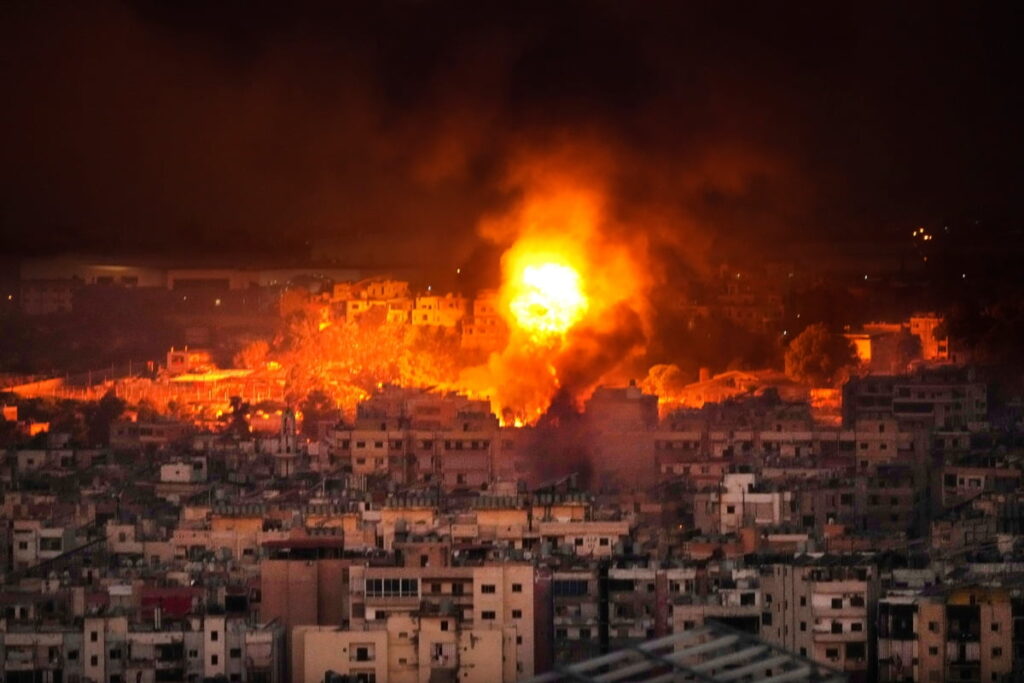
한국 컬러렌즈 시장 규모가 2024년 기준 약 34억 5000만 달러로 추산되는 가운데, 중동 수출 비중이 전체의 10~15%에 달한다고 업계는 추정한다. 단순 계산으로도 수천억 원 규모의 수출 차질이 예상되는 상황이다.
특히 중소 ODM 제조사들의 타격이 클 것으로 보인다. 대형 브랜드는 글로벌 다변화된 유통망을 갖고 있어 일부 손실을 흡수할 수 있지만, 중동 바이어 의존도가 높은 중소 제조사들은 재고 적체와 매출 급감이라는 이중고에 직면할 수밖에 없다. 인터로조 등 주요 상장사의 주가 역시 분쟁 격화 이후 민감하게 반응하고 있다.
Opportunity Within Crisis — What the Industry Must Do Now
Market diversification is urgent.
To reduce dependence on the Middle East, the industry must move more aggressively into Southeast Asia — particularly Thailand, where Korea already holds the No. 1 import share for contact lenses at 42.45% with significant room to grow. North American and European online channels, riding the K-beauty wave, also represent highly expandable markets.
Direct-to-consumer (D2C) online channels must be strengthened.
With offline distribution through local buyers effectively cut off, online storefronts and SNS marketing directly targeting Middle Eastern consumers are the only channels still alive. In fact, Gen Z consumers across the Middle East already have an established pattern of discovering Korean lenses through K-pop and K-beauty content and purchasing them directly online.
Inventory and logistics strategies need immediate review.
Rerouting via the Cape of Good Hope, and establishing intermediate logistics hubs in non-conflict zones such as Dubai or Oman, represent viable short-term alternatives worth acting on now.
(출처 : Shutterstock, CNN/편집: 영원플러스)
위기 속의 기회 — 업계는 어떻게 움직여야 하나
수출 시장 다변화가 시급하다.
중동 의존도를 낮추기 위해 동남아시아, 특히 태국 시장을 더 적극적으로 공략할 필요가 있다. 태국에서 이미 한국은 콘택트렌즈 수입 점유율 1위(42.45%)를 기록 중이며, 성장 여력도 충분하다. 북미와 유럽 온라인 채널 역시 K-뷰티 붐을 타고 확장 가능한 시장이다.
온라인 직접 수출(D2C) 채널을 강화해야 한다.
현지 바이어를 통한 오프라인 유통이 막힌 상황에서, 중동 소비자를 직접 겨냥한 온라인 쇼핑몰과 SNS 마케팅은 유일하게 살아있는 채널이다. 실제로 중동의 Z세대 소비자들은 K-팝과 K-뷰티 콘텐츠를 통해 한국 렌즈를 접하고, SNS로 직구하는 패턴이 이미 자리잡혀 있다.
재고 및 물류 전략을 즉시 재검토해야 한다.
호르무즈 우회 항로 전환, 두바이·오만 등 분쟁 외 거점을 활용한 중간 물류 허브 구축이 단기적으로 유효한 대안이 될 수 있다.
