

For Gen Z, color lenses are no longer something you “have to wear because of bad eyesight.”
Like choosing a bag to complete an OOTD, picking a pair of eyes that matches today’s mood and schedule has become routine.
With cameras that come with built-in filters, AI-retouching apps, K‑pop fancams, and selfie culture, almost every eye we see on-screen is already somewhat “styled.”
This report borrows the voices of Gen Z to look, scene by scene, at how color lenses fit into their everyday lifestyle.
Z세대한테 컬러렌즈는 더 이상 “시력이 안 좋아서 어쩔 수 없이 끼는 것”이 아니다.
OOTD에 맞는 가방을 고르듯, 오늘의 기분과 일정에 맞는 눈동자를 고르는 것이 일상이 되었다.
필터가 기본 탑재된 카메라, AI 보정 앱, K-팝 아이돌 직캠과 셀카 문화까지, 모든 화면 속 눈은 이미 어느 정도 ‘연출된’ 상태다.
이 리포트는 그 한가운데에 있는 Z세대의 목소리를 빌려, 컬러렌즈를 둘러싼 요즘 라이프스타일을 장면별로 들여다본다.
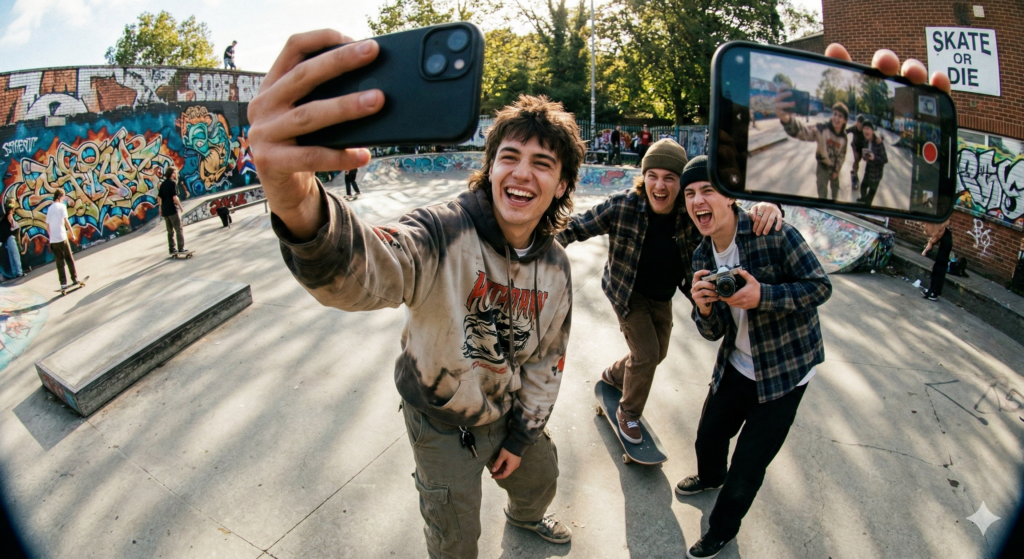
1. The moment they first put lenses on
Most stories start from something very small.
A friend’s eyes looked unusually sharp in a group photo, or they watched a fancam of their favorite idol, or saw a selfie and thought, “How can bare eyes look that pretty?”
Unlike older generations who began with clear prescription lenses, many teens and twenty‑somethings today start their lens journey with color lenses.
They often say, “I can see fine without them, but when I wear them, I feel closer to the version of myself I want to be.”
Their first color choice is telling as well.
Instead of bold pastels or vivid blue, most reach for brown, choco, or milk‑tea tones that are not far from their natural eye color.
What they want is not a dramatic transformation, but eyes that strangers would read as “naturally pretty,” while the difference still shows slightly in selfies.
1. 처음 렌즈를 끼게 된 순간
대부분의 이야기는 아주 사소한 계기에서 시작된다.
친구가 단체 사진에서 유난히 눈이 또렷해 보여서, 좋아하는 아이돌 직캠을 보다가, 혹은 “쌩얼인데 왜 이렇게 눈이 예쁘지?” 싶은 셀카를 보고 나서.
시력 교정용 투명 렌즈에서 출발한 세대와 달리, 요즘 10·20대에게 첫 렌즈는 대개 컬러렌즈다.
“안 껴도 보이긴 하는데, 끼면 내가 좀 더 ‘내가 하고 싶은 모습’에 가까워지는 기분”이라는 말이 공통적으로 나온다.
처음 고르는 컬러도 흥미롭다.
강한 파스텔이나 블루보다, 본인 눈 색과 크게 차이 나지 않는 브라운·초코·밀크티 계열이 압도적이다.
‘티 나는 변신’보다는 ‘모르는 사람이 보면 원래 내 눈 같은’ 느낌, 그러면서도 셀카에서는 살짝 차이가 드러나는 정도가 Z세대의 기준선이다.
2. Scene‑by‑scene rotation – school, work, dates, festivals
2‑1. SCHOOL / CAMPUS – “Brown only friends can spot”
At school or on campus, dark brown and mocha brown dominate.
Whether it’s a uniform or a hoodie, the goal is to stay as close as possible to a “done‑yet-undone” look.
They prefer lenses with modest graphic diameter and almost invisible patterns.
Close friends know they wear lenses, but they want professors or new classmates to simply think, “They just have clear, defined eyes.”
2. 씬별 렌즈 로테이션 – 학교, 알바, 데이트, 페스티벌
2-1. SCHOOL / CAMPUS – “아는 사람만 아는 브라운”
학교나 캠퍼스에서는 대부분이 다크 브라운·모카 브라운을 선택한다.
교복이든 후드티든, 최대한 “꾸안꾸”에 가까운 무드를 만들고 싶기 때문이다.
그래픽 직경은 너무 크지 않게, 패턴도 거의 티가 안 나는 타입이 선호된다.
친한 친구는 렌즈를 꼈다는 걸 알지만, 처음 보는 교수님이나 동기에게는 그냥 “눈이 또렷한 사람”으로 보이고 싶다는 심리가 깔려 있다.
2‑2. PART‑TIME JOB – “Eyes matching the brand dress code”
In cafés, select shops, and beauty stores where many Gen Z work, lens color moves with the brand mood.
In bright white‑and‑beige cafés, soft milk‑tea browns are common, while in darker bars or lounges, brown with a hint of gray comes out.
Where uniforms are provided, some even match uniform color + lip shade + lens color as a set.
Yes, they’re there to earn hourly wages, but the workplace is also a small runway where they present their own brand image.
2-2. PART-TIME JOB – “브랜드 드레스 코드에 맞추는 눈동자”
카페, 편집숍, 뷰티 스토어처럼 Z세대가 많이 일하는 알바 현장에서는 브랜드 무드와 렌즈 컬러가 함께 움직인다.
화이트·베이지 인테리어의 카페에서는 부드러운 밀크티 브라운, 다크한 조명의 바나 라운지에선 약간의 그레이가 섞인 브라운이 선택된다.
유니폼이 있는 곳이라면, “유니폼 색 + 립 컬러 + 렌즈”를 세트로 맞추는 경우도 많다.
시급을 벌기 위해 나가는 자리지만, 동시에 본인의 ‘브랜드 이미지’를 보여줄 수 있는 작은 런웨이이기 때문이다.
2‑3. DATE & SELF‑DATE – “Fully aware of the selfie camera”
For first dates, blind dates, or solo café days filled with selfies, slightly larger brown or charcoal gray lenses join the rotation.
They picture themselves by a bright window or in a photo booth, so they naturally think of the camera first.
The standard here is “eyes that look fine in real life, but peak in photos.”
Patterns should add sparkle around the pupil without looking like doll eyes, and the pupils must stay sharp even under heavy filters.
2-3. DATE & SELF-DATE – “셀카 카메라를 의식하는 순간”
소개팅, 첫 데이트, 혹은 혼자 카페 투어를 다니며 셀카를 찍는 날에는 그래픽 직경이 살짝 큰 브라운, 차콜 그레이가 로테이션에 들어온다.
빛이 들어오는 창가 자리에서 찍은 셀카, 인생네컷 부스에서의 순간을 생각하면 자연스럽게 카메라를 먼저 떠올리게 된다.
이때의 기준은 “실제로 봐도 괜찮지만, 사진에서 최대로 예쁜 눈”이다.
너무 인형 같지 않으면서도 동공 주변에 반짝이는 패턴이 있어야 하고, 필터를 씌웠을 때에도 눈이 흐려지지 않고 또렷해야 한다.
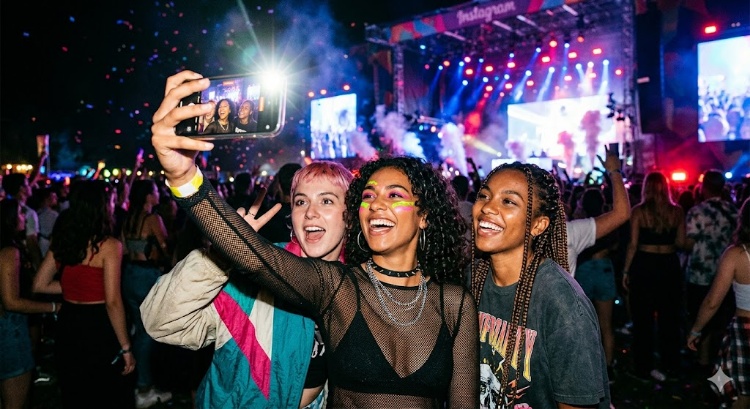
2‑4. FESTIVAL & CONCERT – “A real‑life filter, at least once”
On festival, concert, or cosplay days, totally different shades appear.
Deep green, cool gray, and lenses with touches of blue or violet that pop under stage lights come into play.
“Part of it is for the photos, but mostly I want to become a more colorful character under the lights,” many say.
On these days, it’s fine if eyes look larger and patterns show more than usual.
Everyone around them is already wearing a different version of themselves for that night.
2-4. FESTIVAL & CONCERT – “현실의 필터, 강한 컬러 한 번쯤”
페스티벌, 콘서트, 코스페 등 특별한 날에는 평소와 전혀 다른 컬러가 등장한다.
딥 그린, 쿨 그레이, 약간의 블루나 바이올렛이 섞인 렌즈처럼, 조명 아래에서 컬러가 확실히 보이는 타입이다.
“사진으로 남기려고 끼는 것도 맞지만, 조명 아래서 스스로를 색깔 있는 캐릭터로 만들고 싶다”는 욕망이 담겨 있다.
이날만큼은 눈이 평소보다 커 보이고, 인위적인 패턴이 살짝 드러나도 괜찮다.
어차피 옆에서 함께 뛰는 사람들 모두, 각자의 페르소나를 위해 평소와 다른 눈을 끼고 있기 때문이다.
3. Instead of filters – between on‑screen and real‑life selves
Gen Z grew up with filters.
Phone cameras come with built‑in skin smoothing and eye‑enlarging, and social apps offer dozens of filters on top.
In this world, color lenses become a real‑life filter that narrows the gap between “screen me” and “offline me.”
On-screen, eyes are always glossy and bright, but in the mirror, fatigue shows clearly, and that gap feels uncomfortable.
Rather than stacking on heavy eye makeup, many reach first for natural color lenses.
Lenses alone create catchlights around the pupils and sharpen the border between iris and sclera, so they can become “camera ready” without thick eyeshadow.
As “no‑filter selfies” trend, the way they boost their gaze is changing too.
They might turn off filters, but quietly rely on lenses, lashes, and eye primers to create a subtly unreal version of “natural.”
3. 필터 대신 렌즈 – 화면 속 나와 현실 사이
Z세대는 어릴 때부터 필터와 함께 자라 왔다.
사진을 찍으면 기본 카메라에도 이미 피부 보정과 눈 크기 보정이 들어가 있고, SNS용 앱에는 수십 개의 필터가 준비돼 있다.
이런 환경 속에서 컬러렌즈는, “화면 속 나”와 “실제 나” 사이의 차이를 줄여주는 현실의 필터 역할을 한다.
화면에서는 항상 눈동자가 선명하고 윤기가 도는데, 실제로 거울을 보면 피곤이 그대로 드러나 있을 때, 사람들은 작은 괴리를 느낀다.
그럴 때 선택하는 것이, 과한 아이 메이크업이 아니라 자연스러운 컬러렌즈다.
렌즈만으로도 동공 주변에 반사광이 생기고, 흰자와 눈동자의 경계가 또렷해지면서, 굳이 두꺼운 섀도우를 얹지 않아도 ‘카메라 준비 완료’ 상태를 만들 수 있다.
특히 “노필터 셀카”가 유행하면서, 눈에 힘을 주는 방식도 바뀌었다.
필터 없는 카메라로 찍으면서도, 사실은 렌즈·속눈썹·아이프라이머 같은 요소를 활용해 자연스럽게 ‘비현실적인 자연스러움’을 구현하는 것이다.
4. If it’s not pretty it’s pointless, but if it hurts it’s over – real worries behind the look
They wear lenses to look good, yet Gen Z is also very honest about their anxiety over eye health.
After experiencing dryness from long wear or intense redness after removing lenses, many say, “I switched to daily disposables,” or “I cut down my wearing time.”
Most have their own non‑negotiable rules, such as:
-
Setting a maximum wear time on long study or exam days
-
Always using eye drops and warm compresses after heavy lens days
-
Getting eye checkups before trips or festivals where they’ll wear lenses for hours
They’re constantly negotiating between “looking good” and “keeping their eyes comfortable.”
What’s important is that they now actively research and choose for themselves.
Through social media and online search, they check certifications, oxygen permeability, materials, and brand reputation, then draw a personal line of “what my eyes will allow.”
4. 안 예쁘면 의미 없지만, 아프면 끝 – Z세대의 현실적인 걱정들
예쁜 눈을 위해 렌즈를 끼지만, Z세대는 동시에 눈 건강에 대한 불안을 꽤 솔직하게 드러낸다.
장시간 착용으로 눈이 건조해지거나, 렌즈를 뺀 뒤 충혈이 심해지는 경험을 한 이후, “원데이로 갈아탔다”, “연속 착용 시간을 줄였다”는 이야기가 자주 나온다.
많은 이들이 스스로 세운 최소한의 규칙들을 가지고 있다.
-
시험 기간처럼 장시간 공부하는 날에는 최대 몇 시간까지만 착용
-
피곤한 날, 콘택트 사용 후에는 반드시 인공눈물 + 따뜻한 찜질
-
여행이나 페스티벌 등 렌즈를 오래 껴야 하는 일정 전에는 미리 안과 검진을 받아보기
이렇듯 “예쁘게 보이는 것”과 “당장 내 눈이 편한 것” 사이에서의 줄다리기는 계속된다.
중요한 건, 이제는 누가 시켜서가 아니라 스스로 정보를 찾아보고 선택한다는 점이다.
SNS와 검색을 통해 인증, 산소 투과율, 재질, 브랜드 평판까지 체크한 뒤 “내 눈이 허락하는 선”을 각자 세우고 있다.
